


Refreeze the Arctic
Reduce | Remove | Refreeze
The loss of Arctic sea ice is a global issue. The bright white ice reflects solar radiation back into space, cooling the planet. As it gets warmer, the reflective ice is replaced by dark ocean water that absorbs the sun’s rays. It’s a doom loop - global warming accelerates melting, and the melting accelerates global warming.
Over the past few decades, the Arctic has experienced unprecedented rates of warming, nearly three times the global average, a phenomenon known as Arctic amplification. This rapid warming has led to significant reductions in sea ice extent and thickness, with dire consequences not only for the Arctic ecosystem but for global climate stability.
Halting or reversing Arctic sea ice loss could be a global “safety belt” that would inhibit further ocean warming and stop the catastrophic decline in the delicate ecosystems that are unique to this region. Minimising sea-ice retreat could also protect the rights and livelihoods of the indigenous peoples and local communities in the Arctic in the face of increased shipping, tourism and extraction, and support geopolitical security and defence globally.
At the Centre for Climate Repair, we are exploring innovative solutions to preserve Arctic sea ice.
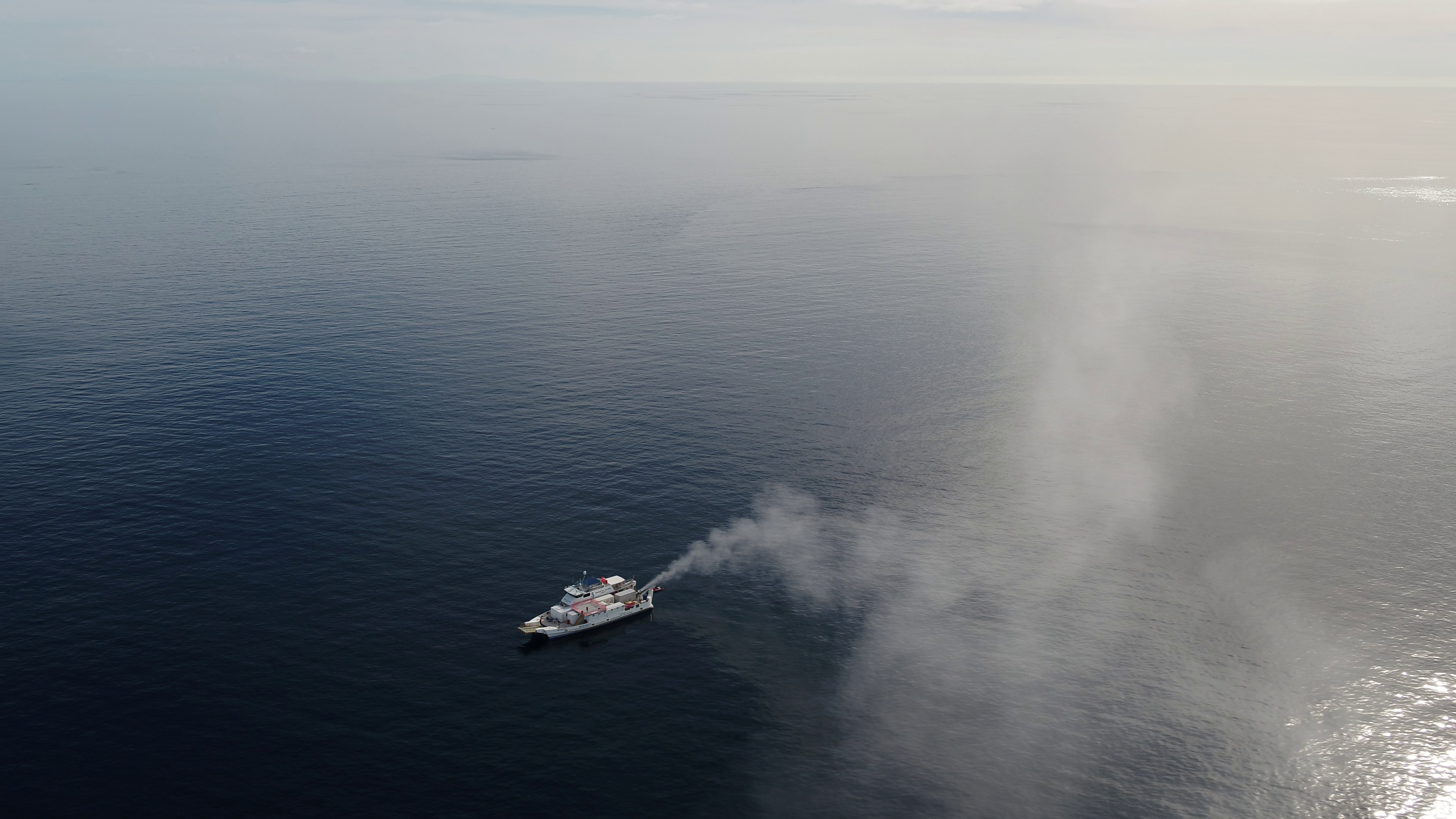
Marine Cloud Brightening (MCB)
Marine Cloud Brightening (MCB) is a solar radiation management strategy aimed at increasing the amount of incoming solar radiation which is reflected back into space from clouds over the oceans. Increasing cloud albedo is achieved by increasing the number of cloud condensation nuclei (CCN) present within the clouds which leads to smaller cloud droplets and a whiter, brighter, appearance - a phenomenon known as the Twomey effect. MCB involves spraying small seawater droplets into the atmosphere which then evaporate, and the resulting salt crystals act as new CCNs when they reach the cloud boundary layer.
Image by Brendan Kelaher for Southern Cross University
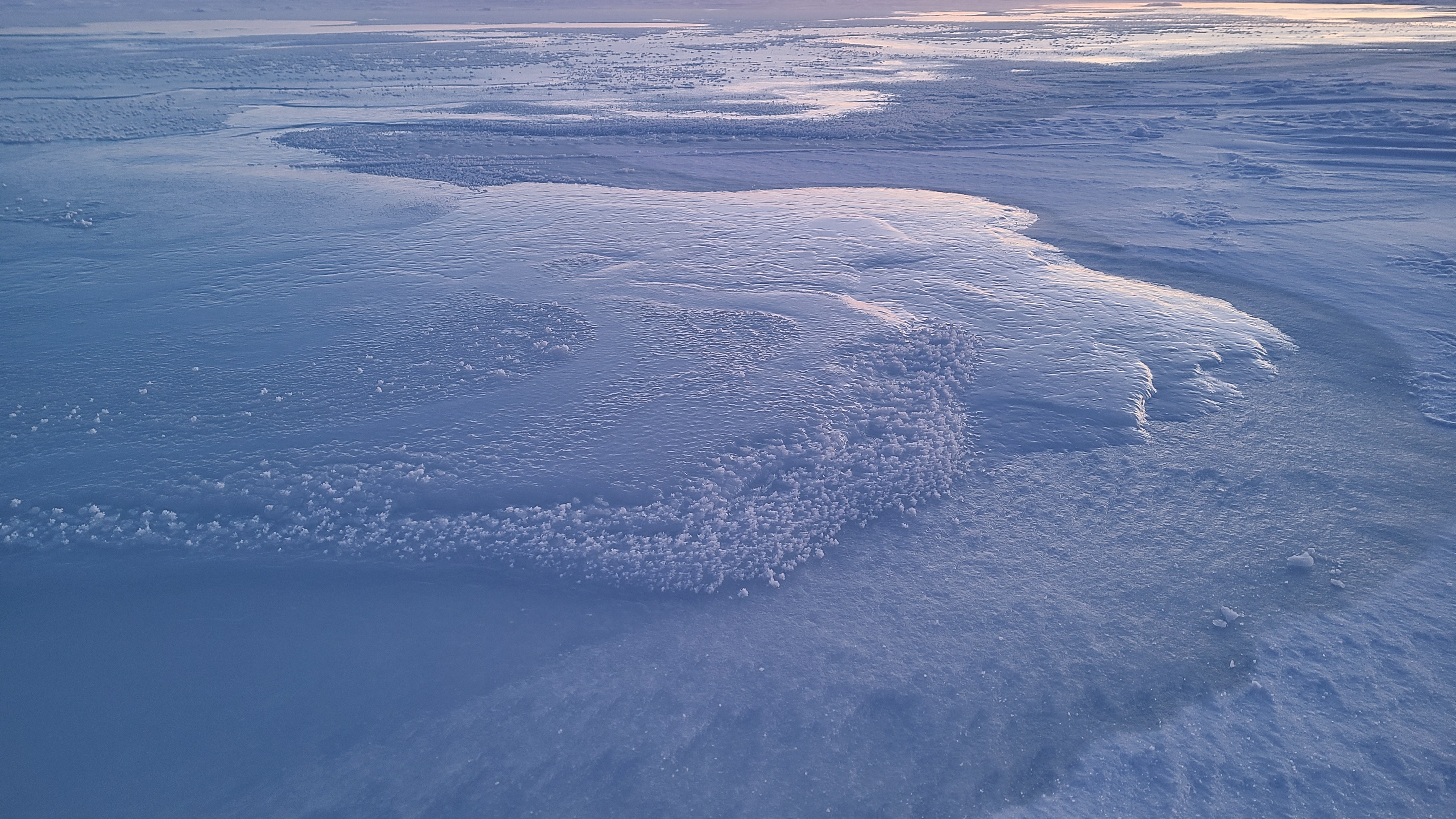
Sea Ice Thickening
Sea ice forms naturally by water freezing on the bottom of existing ice which floats on the ocean's surface, the latent heat of freezing must be conducted through the ice and then transferred to the cold Arctic air or radiated into space. As the ice grows it becomes a thicker insulating layer between the cold Arctic air above the ice and the water below it, so the rate of freezing reduces. Any snow on the ice's surface is an even better insulator and further slows the rate of ice growth. The Centre for Climate Repair is researching two techniques to thicken sea ice by pumping seawater through the ice and onto the surface during the Arctic winter which we call Surface Thickening and Snow Flooding.
Image by Real Ice
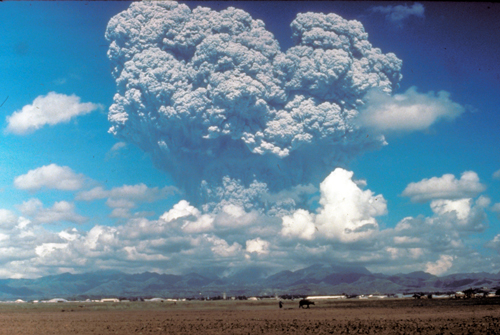
Stratospheric Aerosol Injection (SAI)
Stratospheric Aerosol Injection (SAI) is one of the most-studied forms of climate engineering, but research has almost exclusively been limited to numerical simulations. Most of the studies investigating different strategies look at the effects of introducing sulphur dioxide (SO2) into the stratosphere, which reacts to become sulphuric acid aerosol (H2SO4) and which reflects some of the radiation from the sun back into space increasing the planetary albedo.â
This has in part been inspired by observations from volcanic eruptions, especially 1991 Mount Pinatubo which lofted ~20 million tonnes of SO2 into the stratosphere resulting in global cooling by approximately 0.5°C for around a year.
Injection of aerosols into the stratosphere rather than the troposphere reduces the required mass injection rate in part due to longer residence times. Depending on the latitude of injection, the aerosol cloud will be dispersed across the globe within a period of weeks. SAI is considered by a number of scientists as a potential way of actively cooling the earth.

Seabed curtains
Sea curtains stem conceptually from work originally proposed for the Thames Barrier in London, whereby a fabric curtain is placed in the water with the bottom tethered to the ocean floor and with floats attached to the top of the curtain. As the floats are inflated, the curtain rises and creates a barrier to the basal current, thereby reducing the rate of ingress of warm saline water towards the glacier. This may be critical to tackling the accelerated erosion of glaciers due to ingress of warm saline water.
Governance and society
Applying any approach at scale to Refreeze or Climate Repair more generally means working with affected communities, governments, and world leaders on policy and social acceptability. Impactful research requires participation from industry to scale-up, permission from international bodies to enable deployment at scale, and support from the wider public. Furthermore, consideration of effects in the Arctic on the rest of the world are important since what goes on in the Artic as far as the climate is concerned does indeed affect other climate systems.
CCR works with a wide range of stakeholders as we try to establish the appropriate governance systems and structures for both research and any subsequent decisions on potential deployment.
